español
 English
 français
 русский
 português
 العربية

En los sistemas automatizados de pesaje y envasado, los recipientes para materiales pueden parecer un componente pequeño, pero el diseño de su superficie puede influir significativamente en el flujo del material y el rendimiento del pesaje. Dos opciones comunes son los recipientes con superficie texturizada y los recipientes con superficie lisa.
Entonces, ¿cuál es la diferencia entre ellos y cuál es mejor para su producto?
¿Qué es un?Cubo de material con superficie texturizada¿
Un cubo con superficie texturizada tiene una superficie interior ligeramente irregular. Las pequeñas hendiduras aumentan la fricción entre el material y la superficie del cubo.
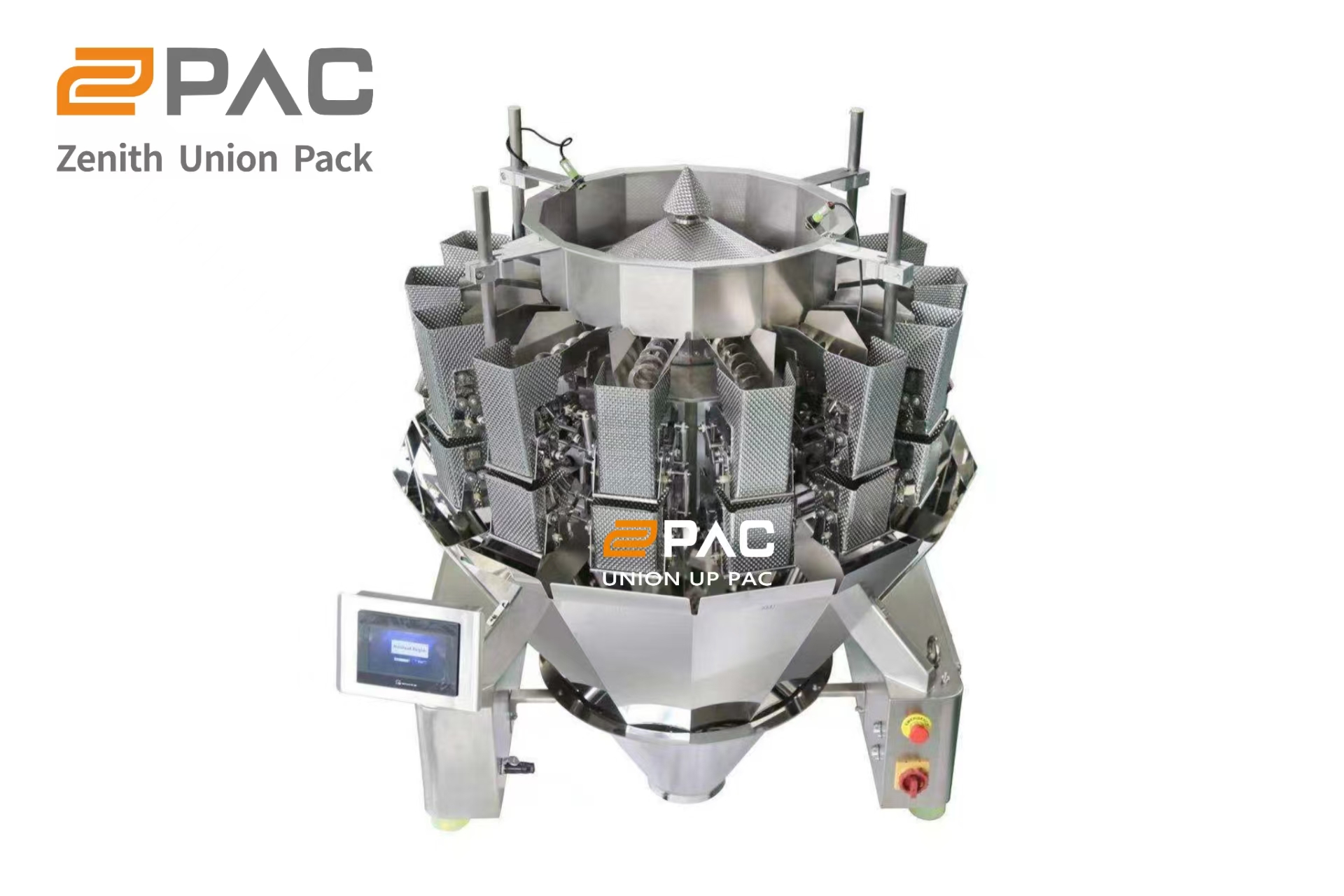
Este diseño puede ayudar a evitar que ciertos productos se deslicen demasiado rápido o se peguen entre sí durante el proceso de pesaje y alimentación.
Los cubos con hoyuelos suelen ser adecuados para productos que son:
La superficie texturizada permite un mejor control del movimiento del material, lo que ayuda a mantener un proceso de alimentación más estable.
¿Qué es un?Cubo para material de superficie lisa¿
Un cubo de superficie lisa tiene una superficie interior plana y pulida. Su diseño de baja fricción permite que los productos se muevan y se descarguen con mayor facilidad.
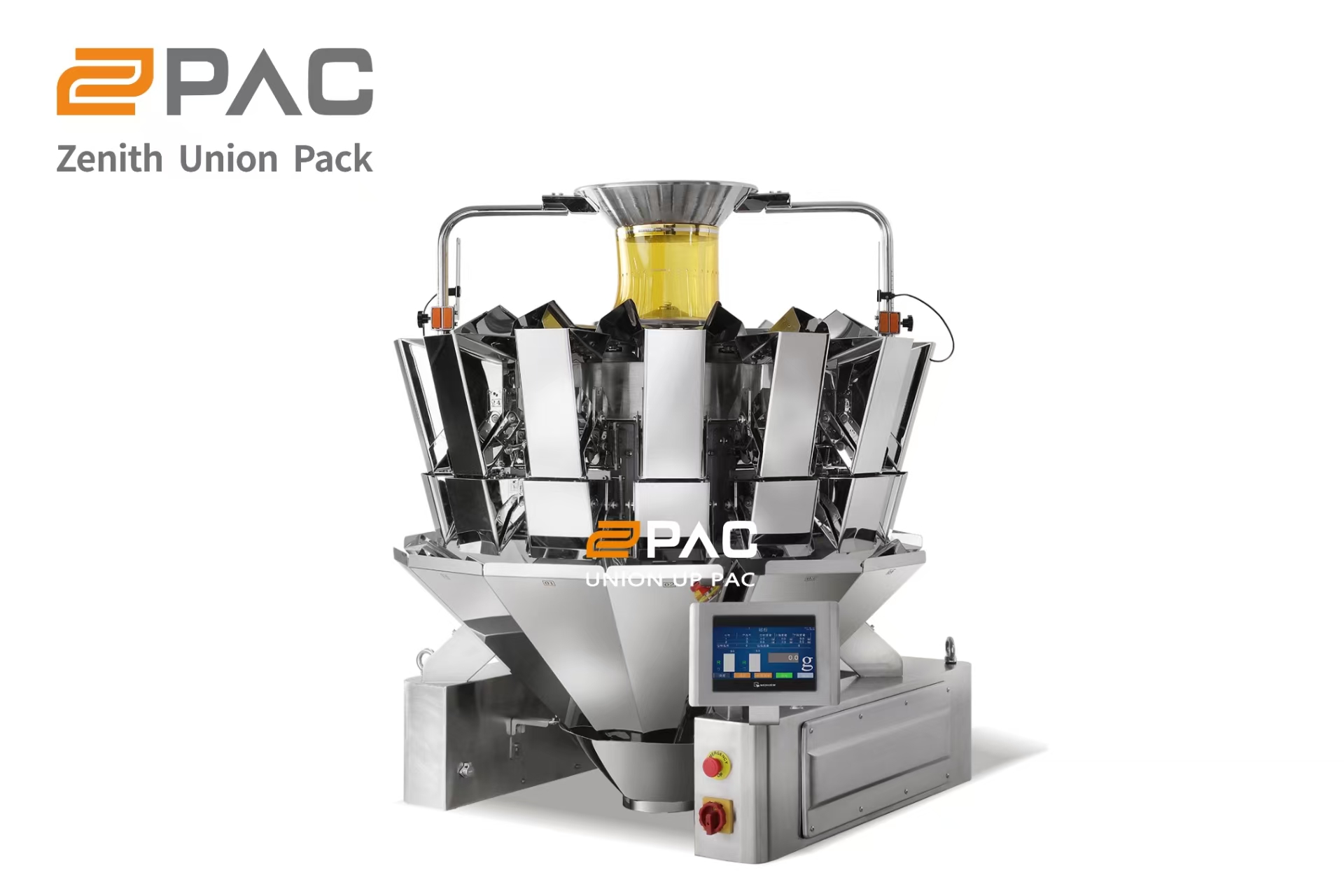
Los cubos lisos se utilizan habitualmente para materiales de flujo libre como:
En el caso de estos productos, una superficie lisa puede reducir la retención de material y facilitar la limpieza del cubo.
Con textura rugosa o lisa: ¿Cuál debería elegir?
La principal diferencia radica en el control del flujo de materiales.
Por lo tanto, no existe una opción universalmente mejor. El recipiente adecuado depende de las características del producto, su contenido de humedad o aceite, su fluidez, los requisitos de limpieza y la velocidad de pesaje.
¿Por qué es importante la superficie del recipiente en el pesaje automatizado?
En unSistema de pesaje y envasado multicabezalCada cubeta de pesaje debe recibir, contener y descargar el producto de manera uniforme.
Si la superficie del cubo no coincide con el producto, puede provocar:
Por lo tanto, elegir la superficie adecuada del recipiente puede ayudar a mejorar la estabilidad y la eficiencia generales de una línea automatizada de pesaje y envasado.
Conclusión
Al elegir entre un cubo con superficie rugosa o lisa, no se fije solo en la apariencia. Considere cómo se comporta su producto dentro del cubo.
La mejor opción depende de las características específicas de su producto y de los requisitos de producción.
Si busca una solución de pesaje y envasado para su producto, seleccionar la configuración de cubeta adecuada es fundamental para lograr un envasado automatizado estable y eficiente.
La principal diferencia radica en el nivel de fricción de la superficie del cucharón. Los cucharones con superficie texturizada ofrecen mayor fricción y control del material, mientras que los cucharones lisos permiten que los productos se deslicen y se descarguen con mayor facilidad.
Una superficie con hoyuelos puede ser una mejor opción para ciertos productos pegajosos o aceitosos, ya que su textura ayuda a controlar el movimiento del material. Sin embargo, la elección final dependerá de las características específicas del producto.
Sí. Los cubos de superficie lisa suelen ser adecuados para productos de flujo libre como granos, legumbres, semillas, frutos secos y otros materiales granulares secos, ya que permiten una fácil descarga y ayudan a reducir la retención de material.
La superficie del recipiente puede afectar indirectamente la consistencia del pesaje. Si el material se adhiere al recipiente o no se descarga por completo, los residuos pueden afectar el siguiente ciclo de pesaje y reducir la eficiencia general del proceso.
Considere la fluidez, el contenido de humedad o aceite, la pegajosidad, el tamaño de partícula, las características de descarga, los requisitos de limpieza y la velocidad de producción necesaria de su producto. Se recomienda probar el producto con diferentes configuraciones de cubeta cuando sea necesario.

Dirección : No.1 Jinan Road, Shuangfeng Development Zone, Hefei City, Anhui Province, China
Puedes darte de baja en cualquier momento. Para ello, consulte nuestra información de contacto en el aviso legal.


 Soporta red IPv6