español
 English
 français
 русский
 português
 العربية
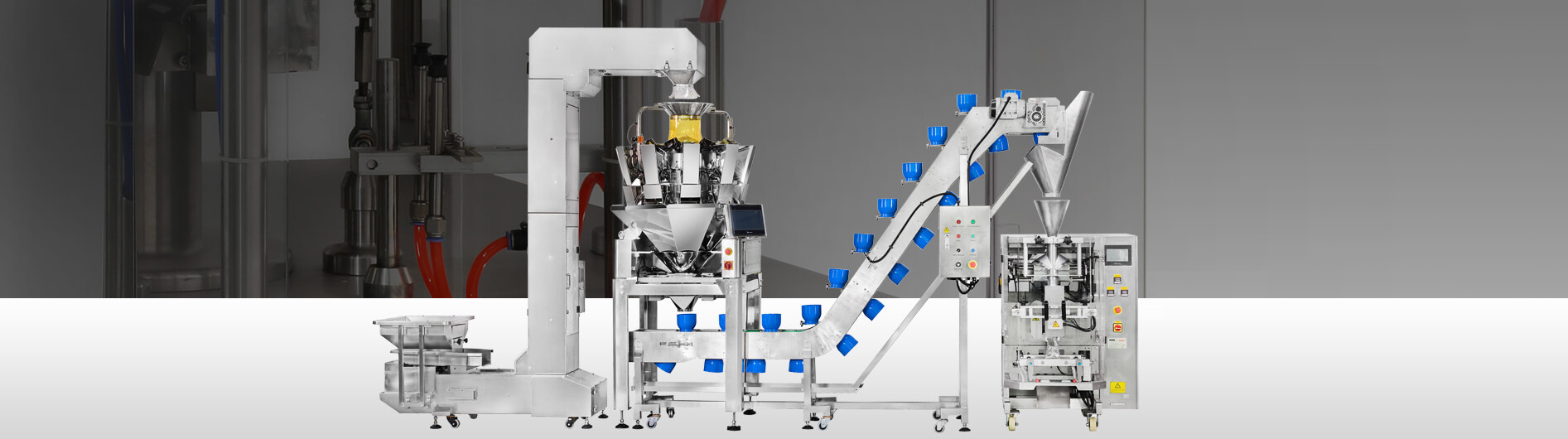
El pesaje de encurtidos, carne fresca, mostaza, alcaparras y otros alimentos pegajosos puede resultar complicado para los equipos de pesaje estándar. Elegir la pesadora multicabezal adecuada para productos pegajosos requiere más que fijarse en el número de cabezales o la velocidad máxima. Deben considerarse las características del producto, el diseño de la tolva, los requisitos de limpieza, el peso objetivo y la capacidad de producción.
Esta guía explica los factores clave a tener en cuenta al elegir una pesadora multicabezal para encurtidos, carne fresca y otros alimentos difíciles de manipular.
¿Por qué es difícil pesar los alimentos pegajosos?
A diferencia de los productos que fluyen libremente, como los cereales o los aperitivos secos, los alimentos pegajosos no siempre se mueven con facilidad a través de un sistema de pesaje.
Los problemas comunes incluyen:
Para estas aplicaciones, la superficie de la tolva y el diseño de la descarga son particularmente importantes.
1. Elija la superficie de tolva adecuada.
La tolva es uno de los componentes más importantes a la hora de pesar alimentos pegajosos.
Una tolva lisa convencional puede permitir que productos como encurtidos, trozos de carne o verduras marinadas se adhieran a la superficie. Esto puede provocar residuos de producto y afectar la precisión de los ciclos de pesaje posteriores.
Una tolva con superficie texturizada está diseñada para reducir la adherencia del producto. Al combinarse con un mecanismo rascador, también puede ayudar a eliminar los residuos de material de la tolva.
Por lo tanto, para productos pegajosos y húmedos, una tolva con hendiduras o rascador puede ser más adecuada que una tolva lisa estándar.
2. Considere las características del producto.
No todos los alimentos pegajosos se comportan de la misma manera.
Antes de elegir una pesadora multicabezal, tenga en cuenta lo siguiente:
Por ejemplo, los pepinillos pueden contener salmuera, mientras que la carne fresca puede contener humedad y grasa. La mostaza tiene una viscosidad mucho mayor que los alimentos sólidos.
Siempre que sea posible, el sistema de pesaje debe probarse con el producto real.
3. Compruebe el rango de pesaje requerido.
El peso objetivo del paquete es otro factor importante a considerar.
Una pesadora multicabezal debe ofrecer un rango de pesaje adecuado para sus productos y tamaños de envase. Los envases pequeños para venta al por menor pueden requerir solo unos pocos gramos, mientras que los envases más grandes para servicios de alimentación pueden requerir varios cientos de gramos o más.
Por ejemplo, la pesadora combinada computarizada Dimple de 14 cabezales de UUPAC tiene un rango de pesaje de aproximadamente 5 a 600 g, lo que la hace adecuada para muchos envases de alimentos pequeños y medianos.
4. Observa la velocidad de producción.
La velocidad de producción debe ajustarse a sus necesidades reales de embalaje.
Una máquina con una alta velocidad teórica no es necesariamente la mejor opción si el producto es difícil de manipular. Los productos pegajosos pueden requerir condiciones de operación diferentes a las de los productos secos y fluidos.
El resultado real depende de factores como:
La pesadora de cabezal Dimple 14 de UUPAC puede alcanzar velocidades de hasta aproximadamente 60 paquetes por minuto, dependiendo de la aplicación.
5. Presta atención a la limpieza y la higiene.
La limpieza es especialmente importante al procesar carne, encurtidos, salsas y otros alimentos húmedos.
Una pesadora multicabezal adecuada para alimentos pegajosos debe diseñarse teniendo en cuenta la limpieza y la higiene.
Entre los factores importantes se incluyen:
Por ejemplo, la pesadora de cabezales UUPAC Dimple 14 cuenta con un diseño con clasificación IP65, lo que ayuda a proteger el equipo contra el agua y el polvo durante las operaciones de producción y limpieza.
6. Considere la precisión y la promoción del producto.
Llenar cada envase en una pequeña cantidad de más puede provocar una pérdida significativa de producto con el tiempo, especialmente al procesar ingredientes de alto valor como carne o productos alimenticios importados.
Una báscula combinada utiliza varios cabezales de pesaje para calcular las combinaciones de peso adecuadas y alcanzar el peso deseado.
La pesadora UUPAC Dimple 14 Head está diseñada para un pesaje de alta precisión y puede alcanzar una exactitud de hasta aproximadamente ±0,1 g, dependiendo del producto y las condiciones de funcionamiento.
¿Qué alimentos pegajosos se pueden pesar con una pesadora multicabezal de hoyuelos?
Las pesadoras multicabezal con hoyuelos se suelen utilizar para productos pegajosos, húmedos, irregulares o difíciles de descargar.
Las aplicaciones típicas incluyen:
Sin embargo, se recomienda realizar pruebas de producto, ya que la humedad, la viscosidad, el tamaño de las partículas y la pegajosidad pueden variar significativamente entre los diferentes productos.
¿Por qué elegir una báscula de cabeza Dimple 14?
Para los fabricantes de alimentos que manipulan productos difíciles, la pesadora de cabezal Dimple 14 combina múltiples características diseñadas para aplicaciones con productos pegajosos.
Sus características principales incluyen:
La tolva con hendiduras y el mecanismo rascador son especialmente importantes porque solucionan uno de los principales problemas del pesaje de alimentos pegajosos: los residuos del producto.
Conclusión
La elección de una pesadora multicabezal para encurtidos, carne fresca y alimentos pegajosos requiere una cuidadosa consideración de las características del producto, el diseño de la tolva, el rango de pesaje, la velocidad de producción, los requisitos de limpieza y la precisión.
Para productos de flujo libre, una pesadora multicabezal convencional puede ser suficiente. Para alimentos pegajosos o húmedos, una pesadora multicabezal con tolvas rascadoras ofrece una solución más adecuada, ya que ayuda a reducir la adherencia del producto y mejora la descarga del material.
Antes de comprar, se recomienda probar el producto real y confirmar el rango de pesaje, la velocidad, la precisión y los requisitos de limpieza necesarios. Esto garantiza que la báscula seleccionada se ajuste a su línea de producción, en lugar de elegir un equipo basándose únicamente en sus especificaciones.
Preguntas frecuentes
1. ¿Cuál es la mejor pesadora multicabezal para productos pegajosos?
Una pesadora multicabezal con tolvas rascadoras es adecuada para muchos productos alimenticios pegajosos, húmedos e irregulares.
2. ¿Puede una pesadora multicabezal pesar pepinillos?
Sí. Una pesadora multicabezal para encurtidos puede procesar encurtidos enteros o en rodajas, especialmente con diseños de tolva antiadherentes.
3. ¿Qué alimentos puede procesar una pesadora multicabezal con superficie lisa?
Puede pesar productos como encurtidos, alcaparras, carne fresca, mostaza y verduras marinadas.
4. ¿Qué tan precisa es una pesadora multicabezal para alimentos pegajosos?
La precisión depende del producto y de la configuración de la máquina. La pesadora de cabezal Dimple 14 de UUPAC puede alcanzar una precisión de hasta aproximadamente ±0,1 g en condiciones adecuadas.
5. ¿Cómo elijo una pesadora multicabezal para alimentos pegajosos?
Antes de seleccionar una máquina, tenga en cuenta la pegajosidad del producto, su nivel de humedad, el peso deseado, la velocidad de producción y los requisitos de limpieza.
Dirección : No.1 Jinan Road, Shuangfeng Development Zone, Hefei City, Anhui Province, China
Puedes darte de baja en cualquier momento. Para ello, consulte nuestra información de contacto en el aviso legal.


 Soporta red IPv6